Apropos

“Excalibur and Taunton Castle Gate” by Ken Grainger, 2009. At Taunton Castle was Dr. Peter Blood tried and convicted of treason.

“Perhaps there ought to be a chapter about the coronation. The barons naturally kicked up a fuss, but, as the Wart was prepared to go on putting the sword into the stone and pulling it out again till Doomsday, and as there was nobody else who could do the thing at all, in the end they had to give in. A few of the Gaelic ones revolted, who were quelled later, but in the main the people of England and the partizans like Robin were glad to settle down. They were sick of the anarchy which had been their portion under Uther Pendragon: sick of overlords and feudal giants, of knights who did what they pleased, of racial discrimination, and of the rule of Might as Right.”

—T. H. White, The Once and Future King

The Duel on the Beach, Part I: In Fiction

Benerson Little's avatarSwordplay & Swashbucklers

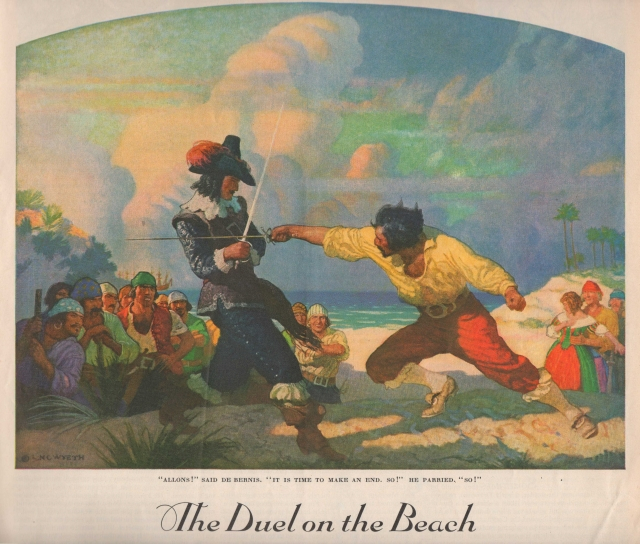
N. C. Wyeth’s illustration for the short story “The Duel on the Beach” by Rafael Sabatini, in Ladies’ Home Journal, September 1931. The story was the basis for the 1932 novel The Black Swan. The painting was also used for the dust jacket, and in some editions the frontispiece, of the novel. The original is privately held. For more information, see the Brandywine River Museum of Art. Author’s collection.

It’s all too easy to imagine a duel on the beach between pirates or, as fiction and film often have it, between pirate captains. A sandy beach, palm trees, spectators often including both pirates and a woman in distress, a tropical sea and sky–a duel is mandatory in the genre if only because the setting demands one.

This blog post is part one of a likely five part series on the classical piratical duel on the beach, a…

View original post 3,879 more words

Of Foolhardiness

“I hope no man will call me timorous; and yet I’ld as soon be called that as rash.”


Dr. Peter Blood, about to become Captain Blood, commenting on the dangers of blind faith in the face of contrary reality in Captain Blood Returns, “The Blank Shot,” by Rafael Sabatini, 1930.

In other words, wear your mask!

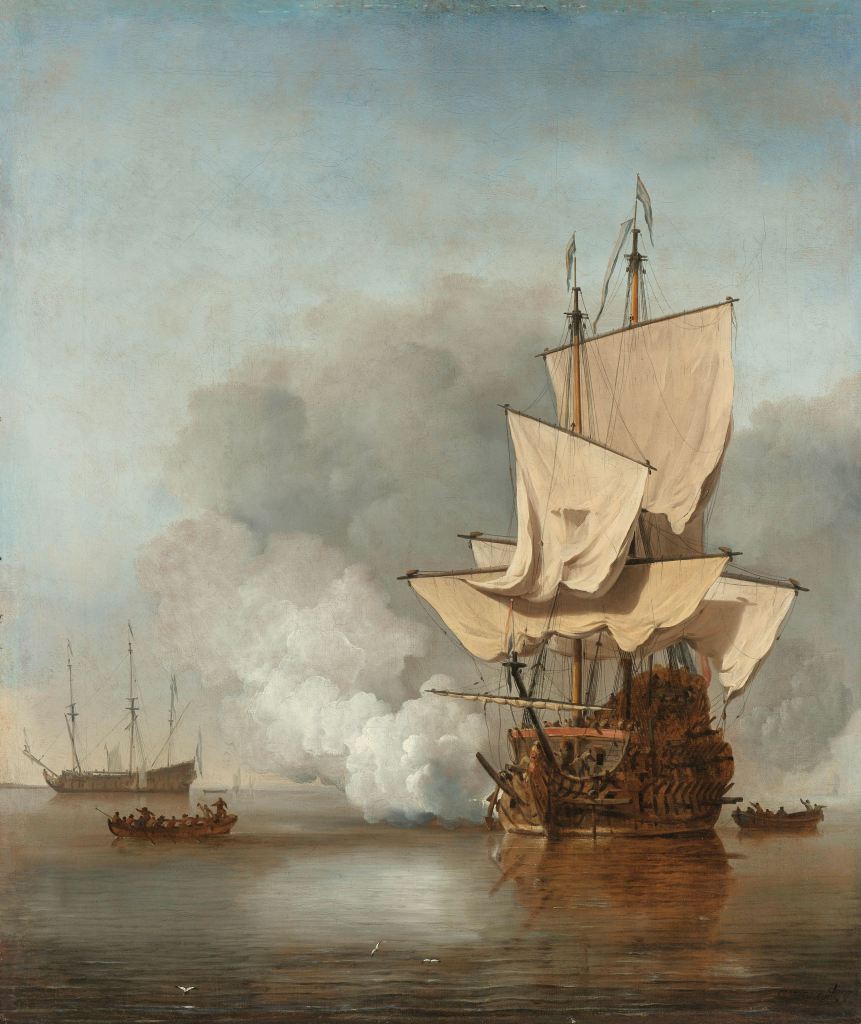
Het kanonschot (The Cannonshot) by Willem van de Velde the Younger, ca. 1680. Rijksmuseum.

Sedgemoor

Early in the morning on this day, July 6, 1685, Old Style, the rebel force of the Duke of Monmouth, pretender to the Crown, was defeated at Sedgemoor. Monmouth’s rebellion was brutally crushed.

Fictional physician (clearly one with surgical skill as well) Dr. Peter Blood, in spite of having taken no part in the rebellion, was arrested for treason for having treated the wounds of a rebel.

Also arrested for treason was sea chyrurgeon Henry Pitman of Yeovil, his family Quaker, whose account of his odyssey would go far to inspire Captain Blood: His Odyssey by Rafael Sabatini.

According to Pitman, he had come to see Monmouth and his army, then headed home with a friend but found himself caught between the rebel camp and Royalist patrols. He returned to Monmouth’s camp, lost his horse (probably confiscated by the rebels), and was prevailed upon by friends in Monmouth’s army to help treat the wounded.

Pitman claimed he was merely doing his Christian duty in treating the wounded, both rebels in arms and Royalist prisoners. Though never in arms, he was in Bridgwater during the Battle of Sedgemoor, possibly even with the army as it marched to attack, and was captured as he fled homeward after the defeat.

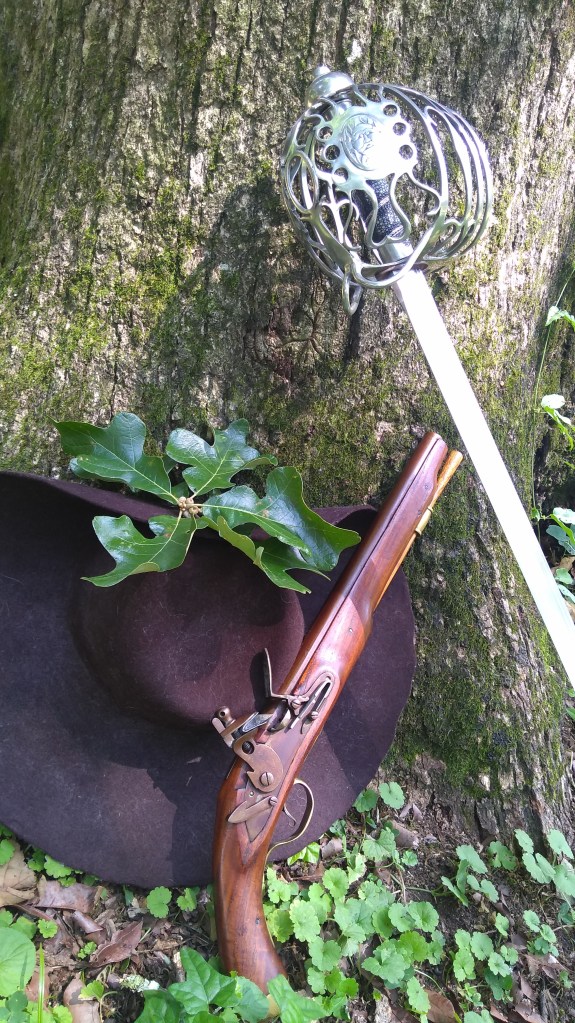
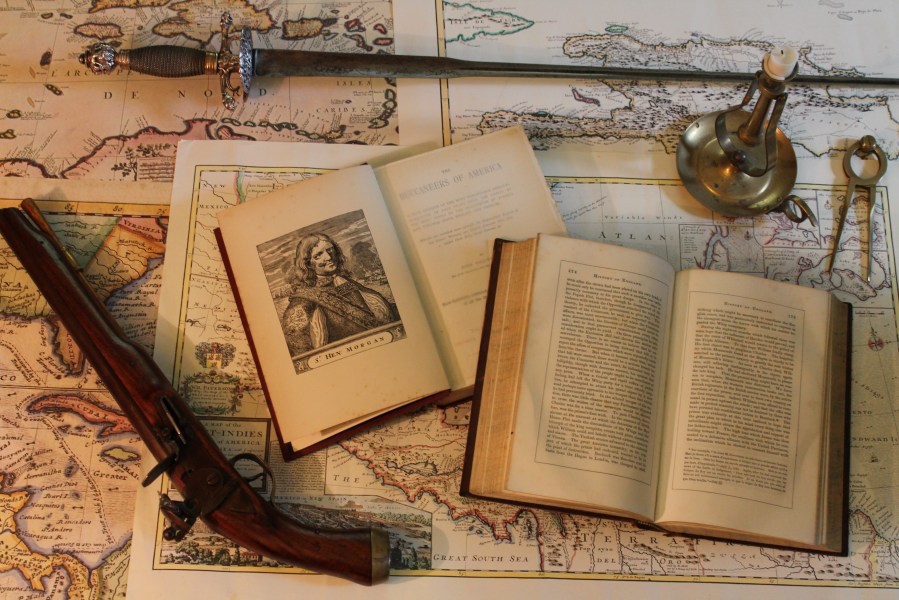
Oak leaves were a recognition device worn by many followers of the Duke of Monmouth. The pistol is a replica doglock common to the period. The hilt of the replica backsword is of a style made in both England and Scotland from the late 17th century into the 18th. Photograph by Mary E. Crouch.

Copyright Treasure Light Press LLC.

“Quo, quo, scelesti, ruitis?”

July 5, 2020: On this date, July 5, 1685 (Old Style), as he smoked his pipe and tended his geraniums, the fictional and eponymous Dr. Peter Blood flung these words after the very real Monmouth volunteers flooding into Bridgwater on the eve of the Battle of Sedgemoor. Hours later the rebels met a brutal defeat, followed by brutal pursuit and prosecution as traitors.

Many of the Monmouth rebels-convict fortunate enough to avoid the noose were transported in servitude to Barbados. One of them, surgeon Henry Pitman, escaped and via his account of his adventures ultimately provided a significant part of the inspiration for Captain Blood: His Odyssey by Rafael Sabatini.

The now-famous Latin quote is the first line of Horace’s Epode VII. Addressed to the Roman people and inspired by the continued Roman civil wars, it asks “Whither, whither, are you wicked men rushing?” The open book in the image is a 1650 edition of the Carmina, Epodes, and Satires of Horace–perhaps even the same well-thumbed volume kept by Peter Blood. 🙂

For those of you with an eye for historical fact and detail, the modern Gregorian date, as opposed to the original old style or Julian date, for the 325th anniversary of July 5, 1685 is actually July 15, 2020.

We continue to press forward with our 100th Anniversary Annotated Edition of Captain Blood: His Odyssey!

Copyright Treasure Light Press LLC

Pandemic Update

June 30, 2020. To date, the only change we’ve made is to postpone the Kickstarter for the annotated anniversary edition of Captain Blood: His Odyssey until early 2021, for publication in late 2021 or early 2022 as originally planned. Annotations and illustration acquisition continue as planned, and we continue to work on marketing, including the development of videos.

We’re also looking at our second title (an equally or even more famous book), and if our budget permits, an annotated edition of Henry Pitman’s journal.

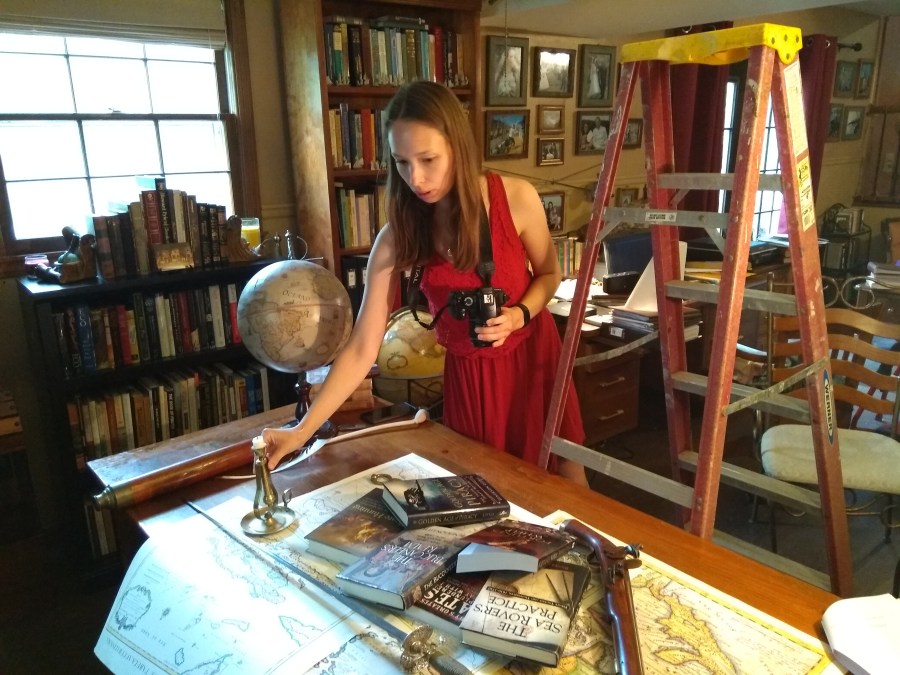
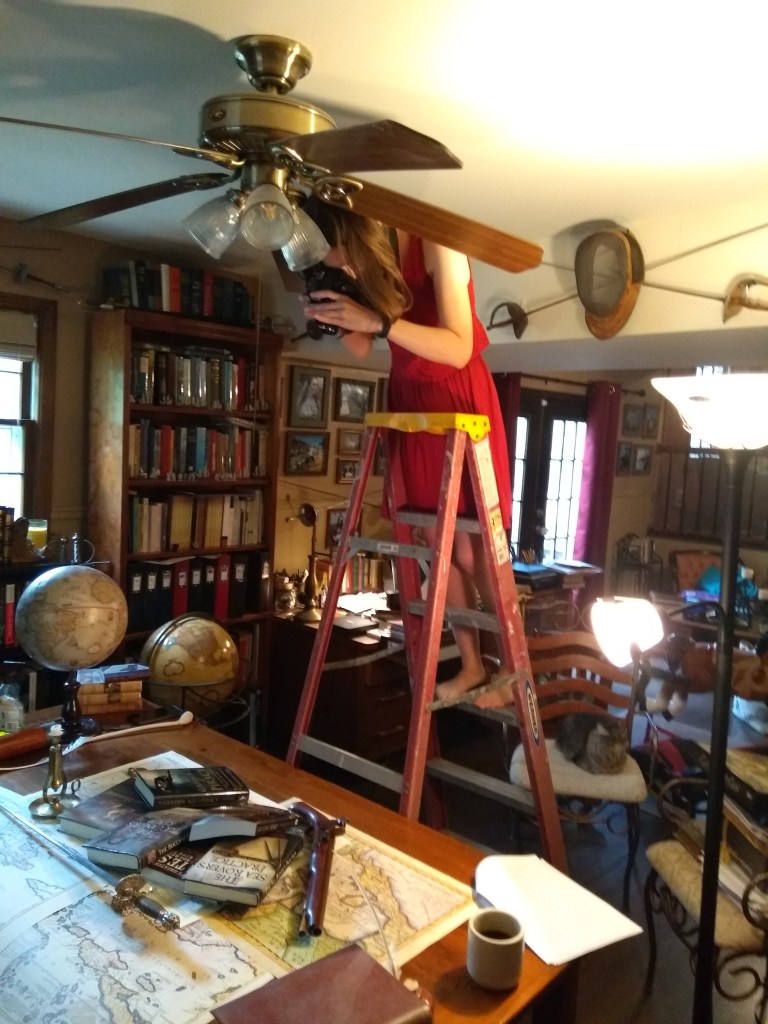
The images are of Marguerite (Bree) Little shooting still photographs for our first video. It’s always useful to have lots of antique and reproduction props at hand (not to mention a visiting daughter who’s also a great photographer). 

Copyright Treasure Light Press LLC.

Beyond the Armchair…

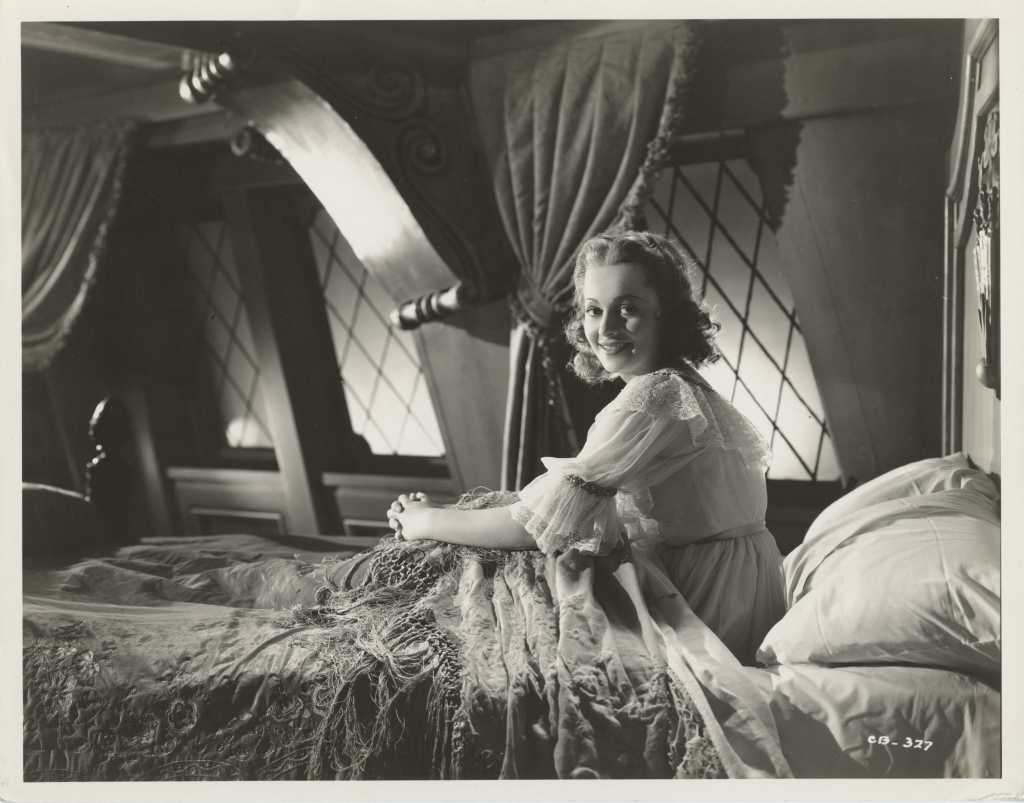
“Pish, child! The fellow’s an adventurer.”

Her agreement shocked and dismayed him more than contradiction could have done.

“So I had supposed,” she smiled distractingly. “I love adventurers and the adventurous.”

—Rafael Sabatini, The Black Swan, 1931.

“Dutch Ships in the Roads of Texel; in the middle the ‘Gouden Leeuw’, the Flagship of Cornelis Tromp.” Ludolf Bakhuysen, 1671. Rijksmuseum.